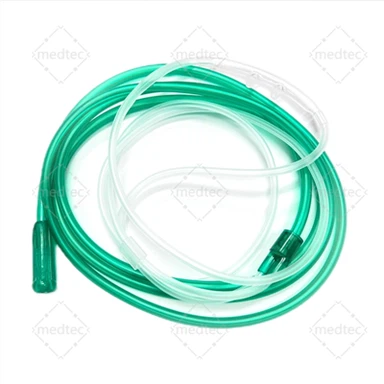
What is pediatric nasal cannula?
Aug 22, 2023
A pediatric nasal cannula is a medical device that is used to deliver oxygen to infants and children who have difficulty breathing. It is a small, lightweight tube that fits into the child’s nostrils and is connected to an oxygen source such as an oxygen tank or concentrator.
Unlike adult nasal cannulas, pediatric nasal cannulas are specifically designed to fit the smaller nostrils of infants and children. They come in a variety of sizes to accommodate different ages and can be adjusted to ensure a comfortable fit.
When a child is experiencing respiratory distress or hypoxia (low oxygen levels), a pediatric nasal cannula can be a crucial tool in ensuring their respiratory needs are met. It delivers a steady stream of oxygen that can help reduce symptoms such as shortness of breath, chest pain, and wheezing.
Pediatric nasal cannulas are commonly used in hospitals, clinics, and homes where children require supplemental oxygen therapy. They are also used during surgical procedures or to help manage chronic respiratory conditions such as asthma or cystic fibrosis.
Nasal Oxygen Cannula For Pediatric
The nasal oxygen cannula for pediatric is a specific type of nasal cannula that is designed for infants and young children who need oxygen therapy. It is made with soft, pliable tubing and curved prongs that fit comfortably into the child’s nostrils without causing pain or discomfort.
Like other types of nasal cannulas, the nasal oxygen cannula for pediatric is connected to an oxygen source that delivers a continuous flow of oxygen directly into the child’s respiratory system. It can be used to deliver oxygen at a variety of different flow rates, depending on the child’s needs.
Pediatric nasal cannulas are a safe, effective, and non-invasive way to deliver oxygen to infants and children who need it. They are easy to use and provide a continuous flow of oxygen that can help improve the child’s respiratory function and quality of life. If your child has a chronic respiratory condition, or is experiencing respiratory distress, talk to your healthcare provider about whether a nasal oxygen cannula may be right for them.