
Overview
OEM & Private Label Overview
An OEM programme turns an item into a product of your own: the same manufacturing platform, but with your sizes, colours, packaging and documentation. Success depends on freezing the specification early, because every later change affects tooling, artwork and approval.
This programme serves brand owners, importers and distributors that want a defined product of their own rather than a standard catalogue item, including buyers who already hold registrations in their market.
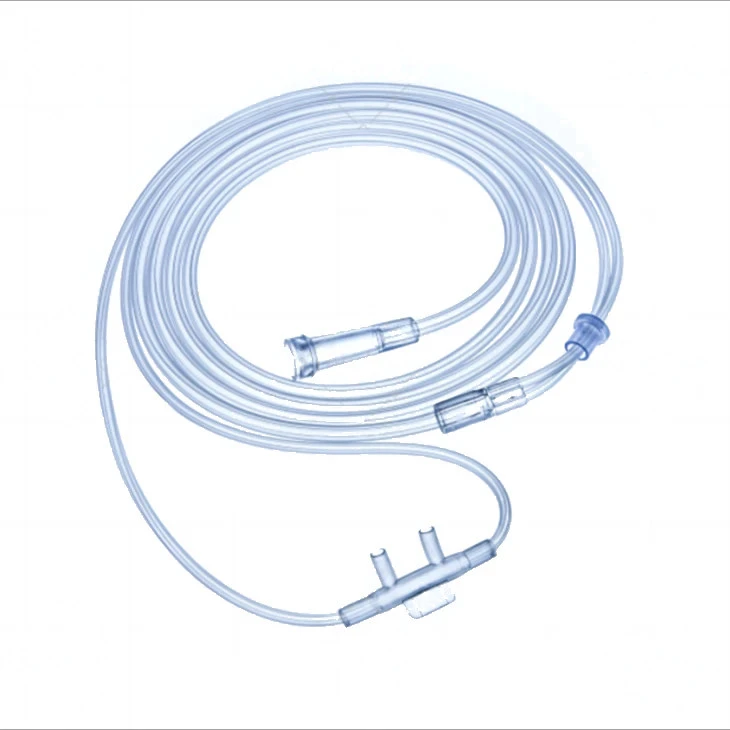
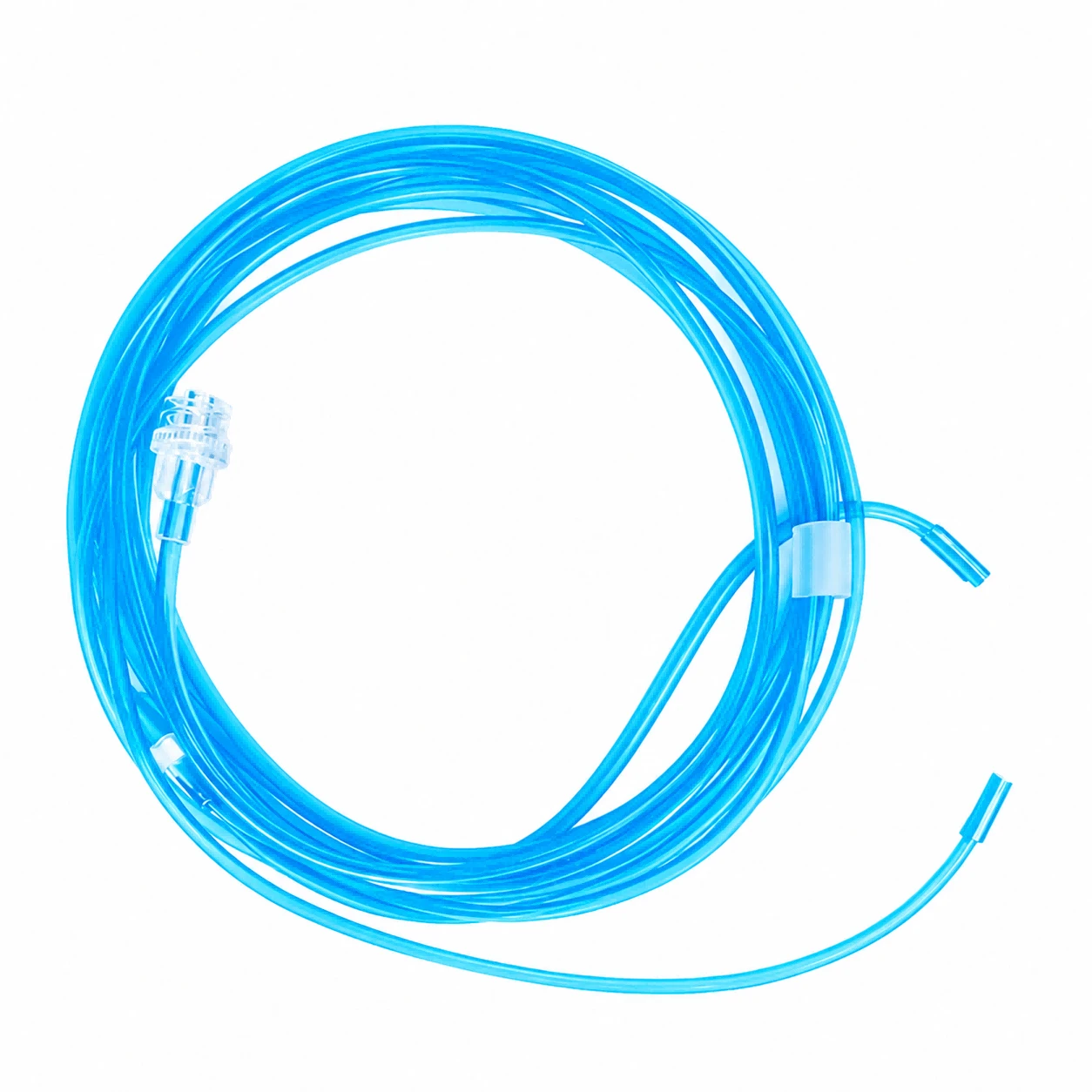
Customisation is not only a logo on a pouch. Prong shape, tubing length, connector, pouch film, carton artwork and instruction leaflet all become part of the approved specification. Agreeing them in writing before sampling keeps the pilot order and the repeat batches aligned, and prevents a small artwork change from turning into a new tooling decision later.
Defined productYour own specification
Written approvalOne reference file
Brand ownershipRetained by the buyer
Recommended Products
What Can Be Customised
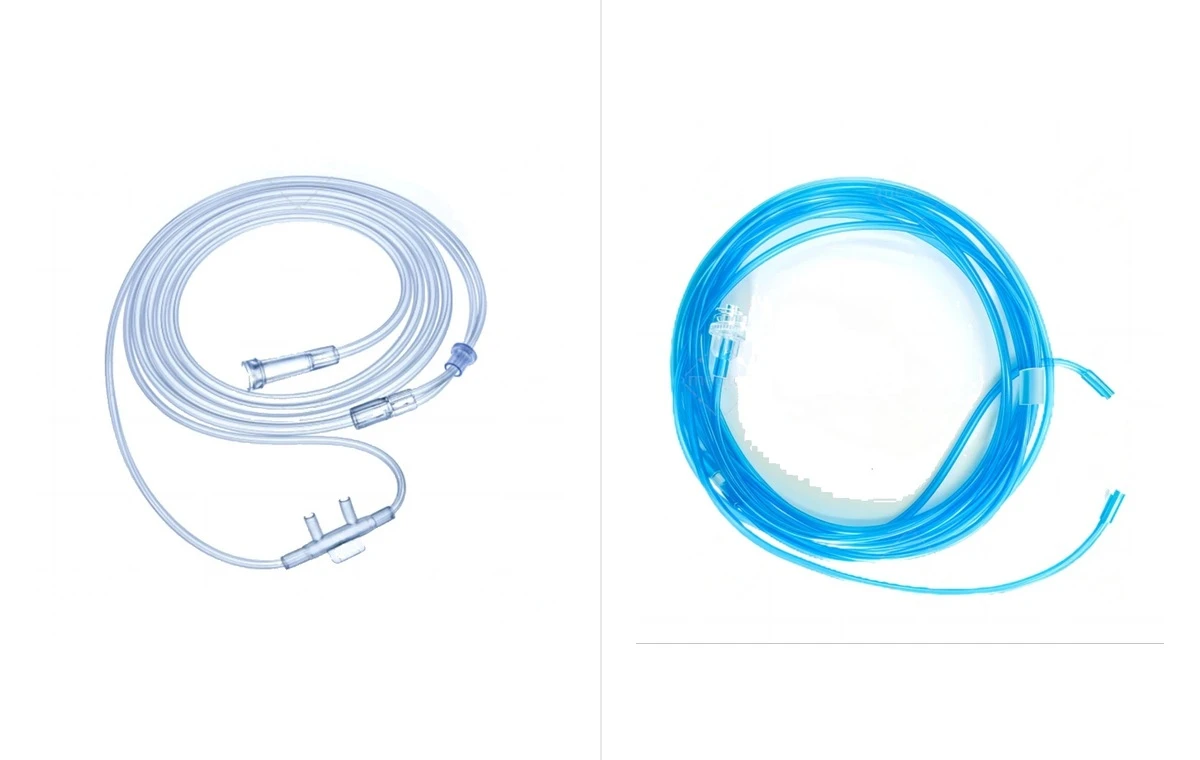
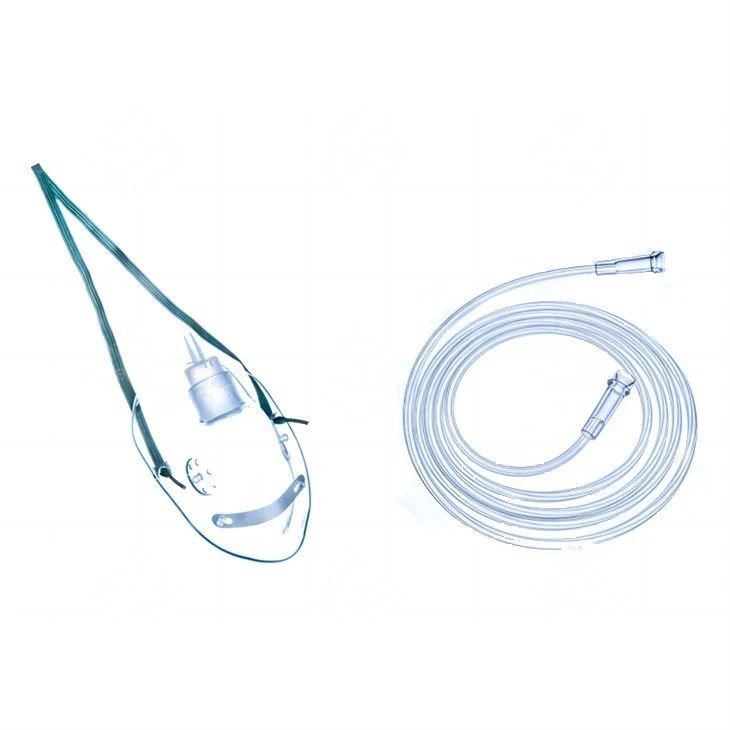
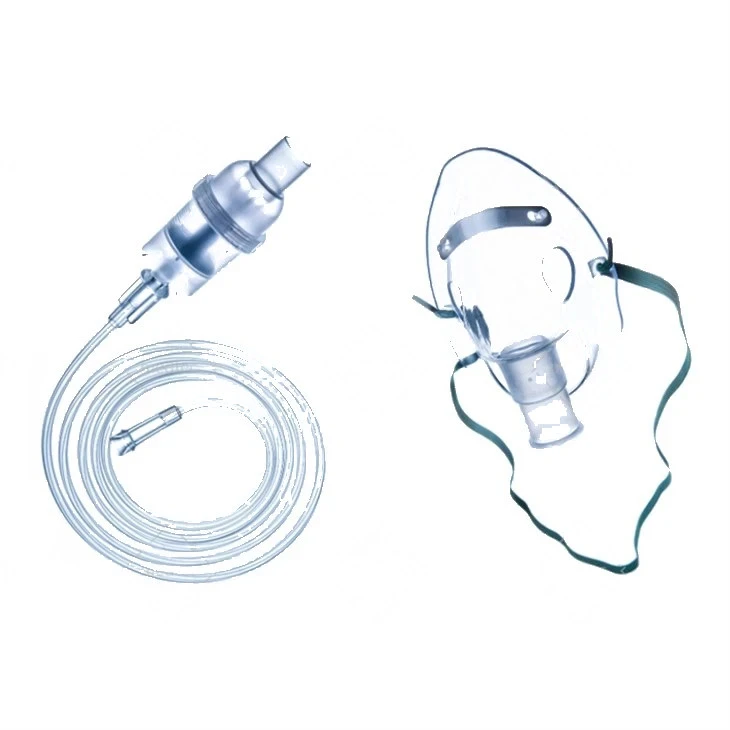
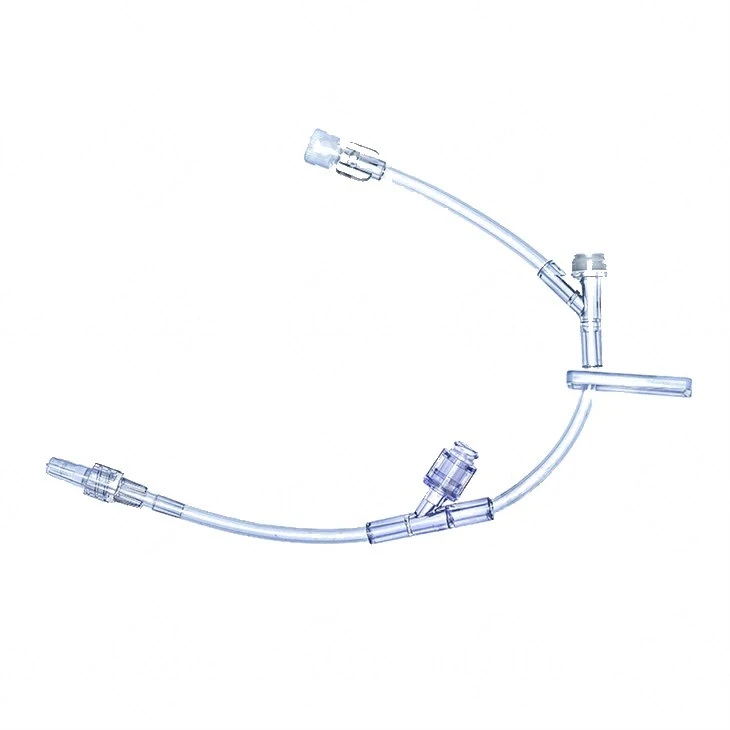
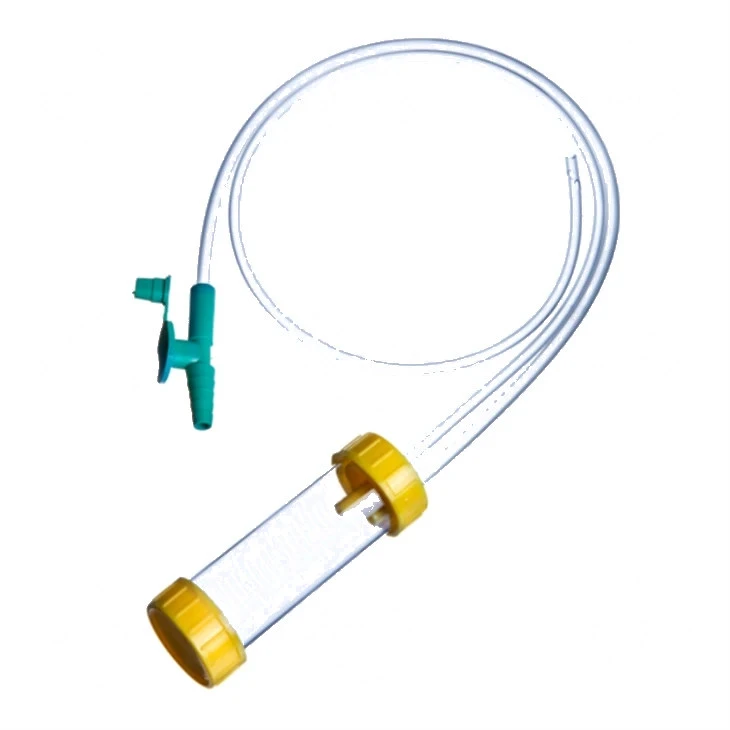
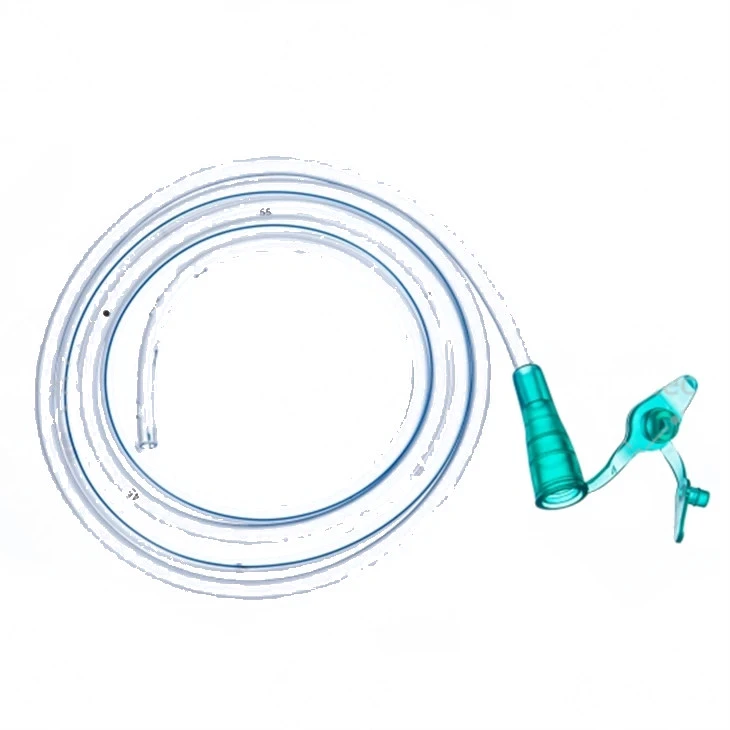
Typical variables include cannula prong shape and softness, tubing length and colour, mask size and strap, connector type, pouch film and printing, carton artwork, barcode format and the languages used in the instructions for use supplied with each unit.
Procurement Checklist
Tooling, Samples & Approval Checklist
Agree the target specification, confirm which dimensions require new tooling, review a sample against that specification, then approve artwork and carton markings before production. Keeping each approval in writing gives both sides one reference for future batches.
| Check item | What to confirm |
|---|---|
| Target specification | Write every dimension before sampling. |
| Tooling requirement | Identify which changes need a new mould. |
| Sample evaluation | Compare the sample against the written specification. |
| Artwork approval | Approve pouch, carton and shipping marks. |
| Specification freeze | Record accepted tolerances in writing. |
| Document responsibilities | Confirm registrations, artwork and quality files. |
Before the order is placed
The sample is the checkpoint that matters most. Evaluate it against the written specification rather than against a general idea of the product, and record any accepted tolerance. Once the sample and artwork are signed off, the same reference governs the pilot order and every repeat batch.
- Freeze the specification before tooling or artwork work
- Hold approved artwork files as the repeat-order reference
- Align lot numbering with the buyer traceability system
Specification
From Enquiry to Repeat Production
The usual sequence is an initial specification, a written quotation, sample evaluation, tooling or artwork preparation where needed, a confirmed pilot order, and then repeat batches against the frozen specification and approved packaging files.
Each step produces a document that the next one refers to. Keeping that chain intact is what allows an OEM range to be reproduced months later without re-opening the original design discussion, and it gives the buyer a clear record for their own registration file.
| Parameter | What to confirm |
|---|---|
| Prong geometry | Shape and softness; may require new tooling. |
| Tubing profile | Length, colour and kink resistance. |
| Connector type | Compatibility with the destination market standard. |
| Pouch and carton print | Artwork files, barcode and languages. |
| Document set | Manufacturing and quality documents supplied. |
Supply & Packaging
Documentation & Brand Ownership
Buyers normally keep ownership of their artwork, trademark and market registrations. We supply the manufacturing and quality documents for the products we make and can align lot numbering and carton marking with the traceability system used in your market.
A consistent reference for every repeat order
State the ownership and document responsibilities in writing at the start of the programme. It avoids disputes over artwork files later and makes it clear who is responsible for market-specific registration, labelling review and the final release of the branded packaging.
- Freeze the specification before tooling or artwork work
- Hold approved artwork files as the repeat-order reference
- Align lot numbering with the buyer traceability system
- Keep brand, trademark and registration ownership with the buyer
Frequently Asked Questions
Frequent questions ask which products support private labelling, whether new tooling is required for a changed prong or tube length, what a sample costs, how artwork files are handled and which certificates cover the finished branded product.
Which products can carry our brand?
Confirm the category list and specification with our export team.
Does a changed prong need new tooling?
Dimensional changes may require tooling; printing changes generally do not.
Is there a sample charge?
Ask our export team about the current arrangement for your specification.
How are artwork files handled?
Files are approved in writing and held as the reference for repeat batches.
Which certificates cover the branded product?
Request the document list for the models purchased and your market.
Request a Programme Proposal
Private-label programmes usually begin in one care setting and expand into others. Review the application pages, open the cannula and oxygen mask categories for standard specifications, or send the drawings and artwork brief you want us to quote.
E-mail: medtec@hzmtyl.comPhone: +86 187 5718 1698Hangzhou, Zhejiang, China