
Overview
Home & Long-term Care Overview
Home-care supply differs from hospital supply because the user or a family caregiver opens the pack, fits the device and decides when to replace it. Packaging, illustrated instructions, size identification and consistent pouch opening become part of product quality.
This programme serves home-care providers, pharmacy chains, durable medical equipment dealers and online sellers who supply long-term oxygen users and their caregivers rather than a hospital ward.
In a ward, a nurse selects the right size from a stock room. At home, the person opening the pouch may be an elderly user or a relative with no clinical training. That changes what good packaging means: the size must be legible on the pouch, the instructions should be readable without specialist knowledge, and the same product should look and feel identical on every reorder. Distributors serving pharmacy and home-care channels therefore treat artwork and instructions as part of the specification, not as an afterthought.

User or caregiverOpens and fits the pack
Illustrated IFUReadable instructions
Stable artworkIdentical on reorder
Recommended Products
Recommended Product Range
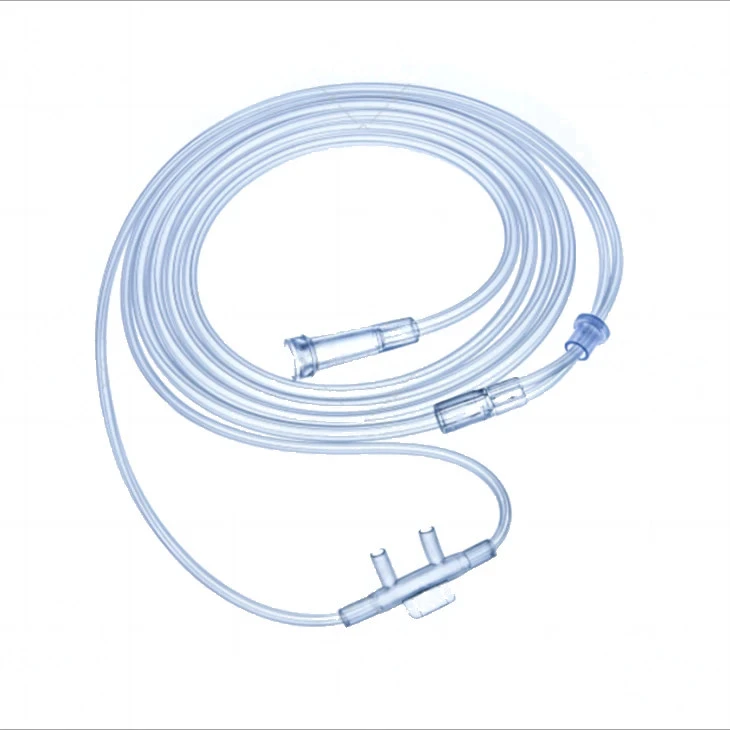
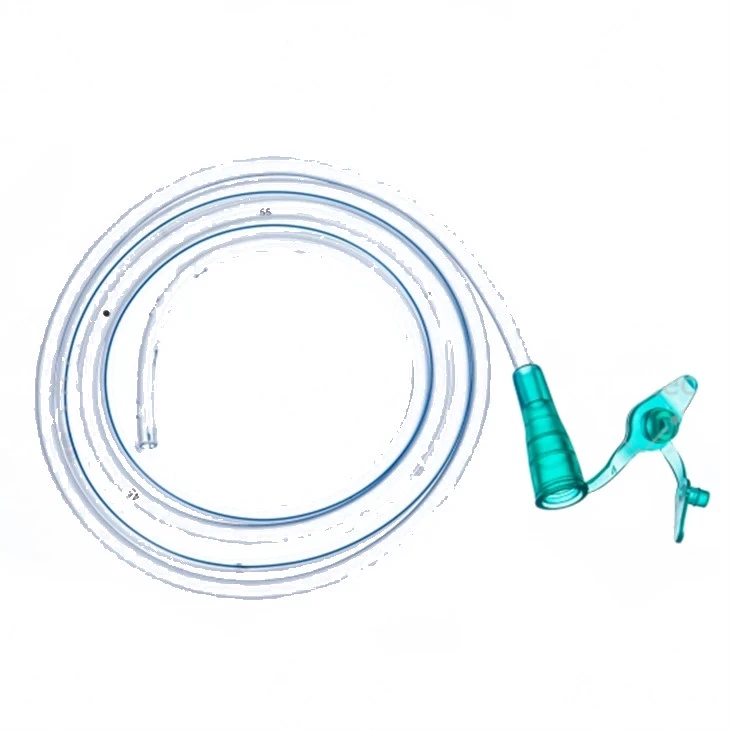
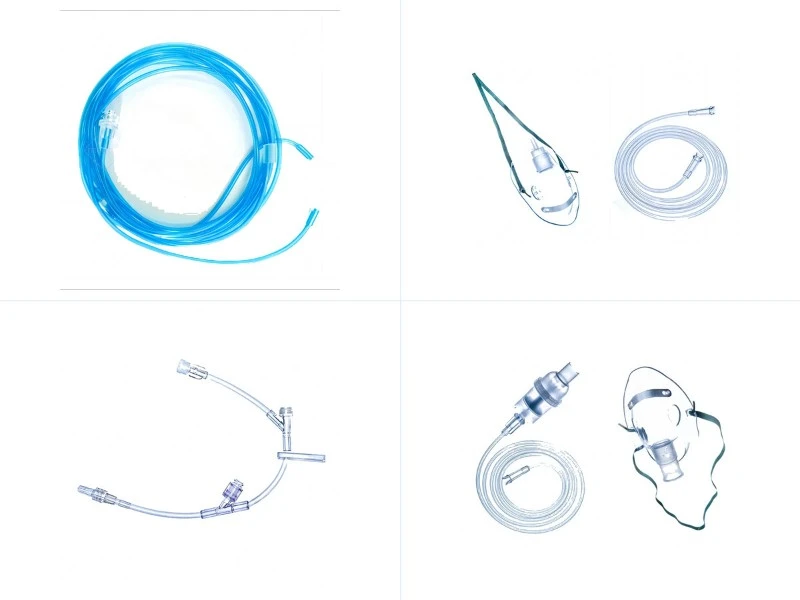
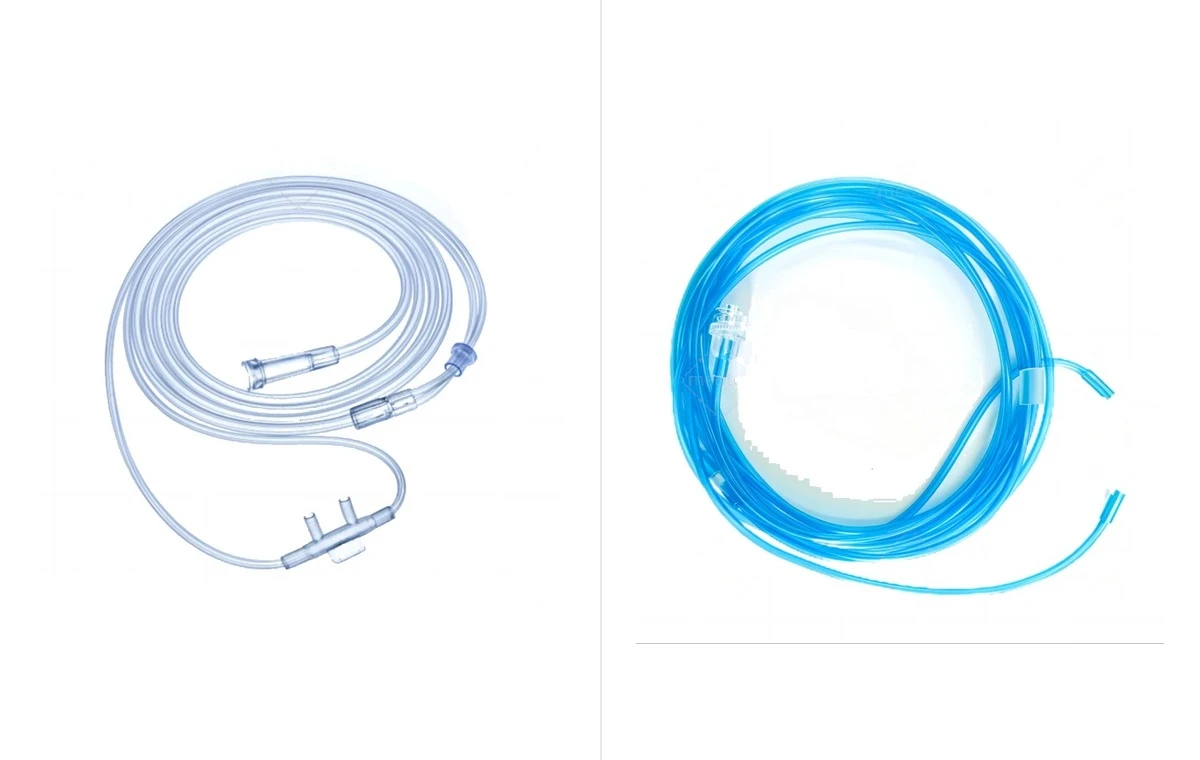
Soft-tip and coloured nasal cannulas suit long daily wear, while longer anti-kink tubing gives users room to move. Adult oxygen masks, nebulizer masks and kits, manual suction devices and feeding tubes complete a typical home-care assortment.
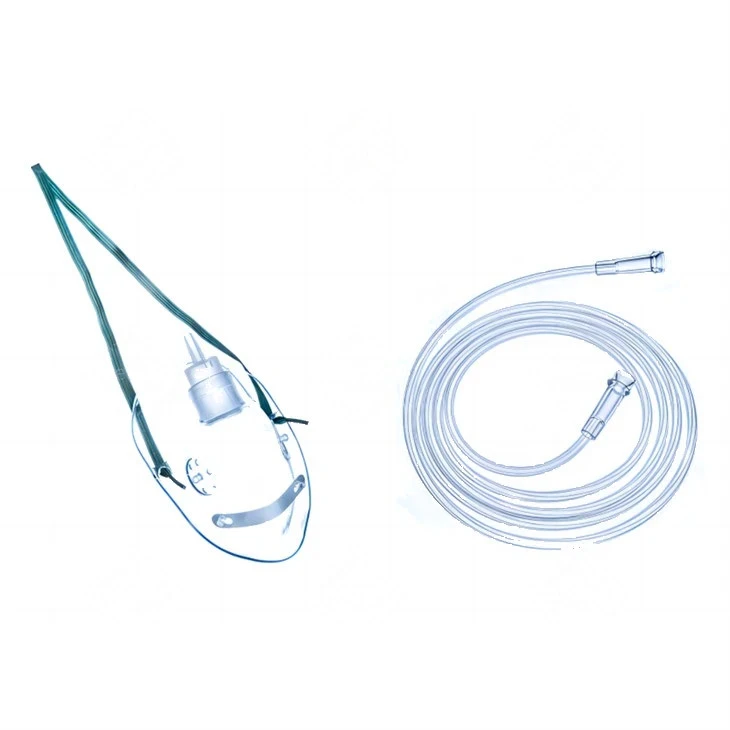
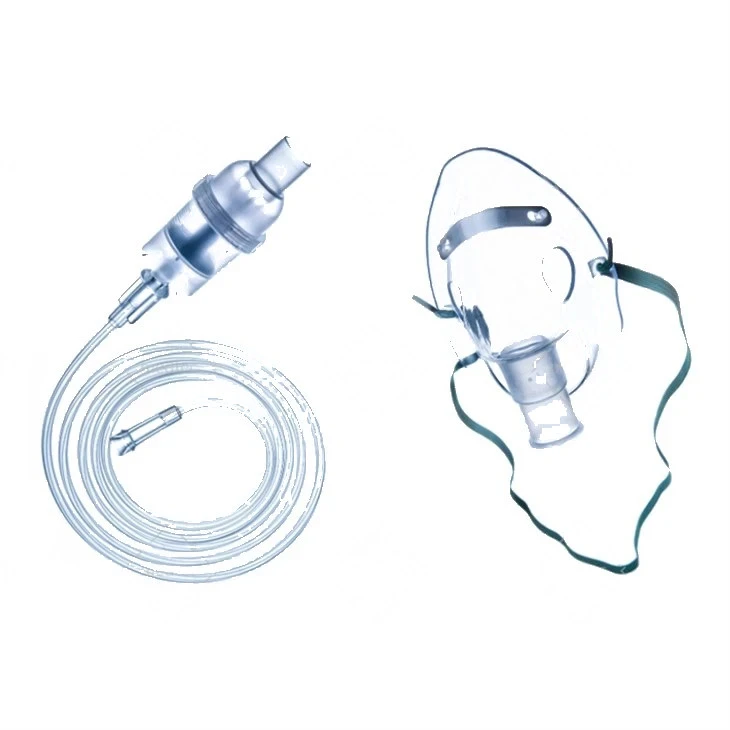
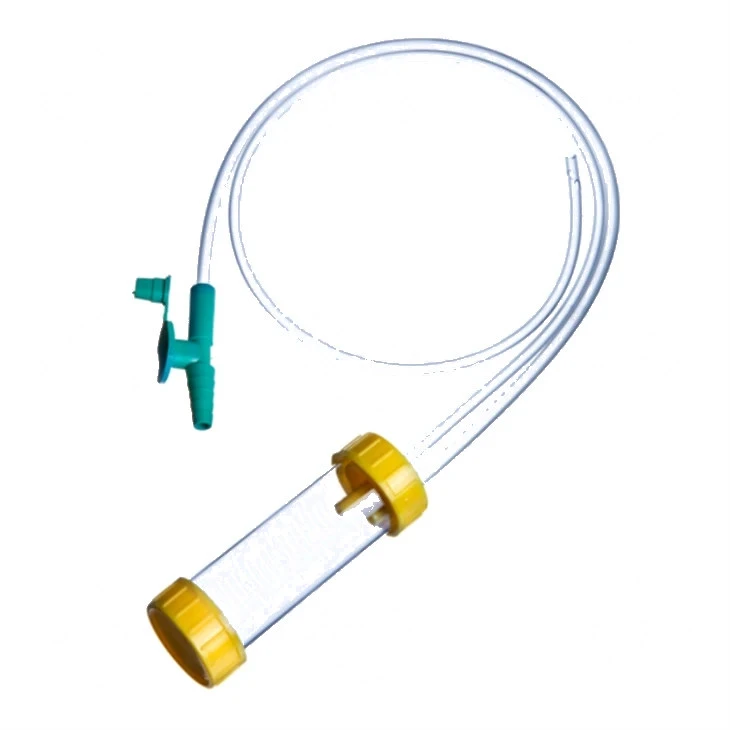
Medical Consumable Devices
Additional disposables to complete a pharmacy assortment.
View category →Procurement Checklist
Comfort, Materials & Safety Checklist
Ask about prong softness, strap elasticity, tubing flexibility and the materials used in patient-contact parts. Also confirm how sizes are marked on the pouch, which languages the instructions cover, and whether a latex-free or DEHP-free declaration is available.
| Check item | What to confirm |
|---|---|
| Prong softness | Compare standard and soft-tip versions before approval. |
| Strap and tubing flexibility | Check comfort and kink resistance during daily movement. |
| Material declarations | Only state latex-free or DEHP-free where documents support it. |
| Size marking | Make the size legible on the pouch itself. |
| Instruction languages | Confirm the markets and languages before artwork. |
| Retail pack count | Fix units per pouch, per carton and the barcode format. |
Before the order is placed
These points are the ones a home-care distributor is asked about most often by pharmacies and end users. Material declarations should only be stated on the finished artwork when the supporting quality documentation is available, so confirm the exact wording with our team before the pouch design is approved.
- Freeze the adult, paediatric and infant size mix
- Keep pouch artwork unchanged between batches
- Fix carton quantity for repeat pharmacy orders
Specification
Retail & Pharmacy Packaging
Home-care products often reach the user through a pharmacy or an online order, so artwork, barcode placement and pack count must be settled before production. We can align pouch printing, carton design and outer labels with the distributor brand.
Retail packaging has less space than a hospital carton but more requirements: a scannable barcode, a legible size, an instruction leaflet and, in many markets, two or more languages. Agree the artwork files, pack count and barcode format at the quotation stage so the pilot order and the repeat order use the same print reference.
| Parameter | What to confirm |
|---|---|
| Cannula type | Standard, soft-tip, curved or coloured variant. |
| Tubing length | Longer anti-kink tubing for room to move. |
| Mask size | Adult or paediatric with elastic strap. |
| Pouch design | Retail-style print, legible size and scannable barcode. |
| Instruction leaflet | Languages and illustrations required by the market. |
Supply & Packaging
Supply, Sizes & Reorder Planning
Long-term users reorder the same size repeatedly, which makes a stable specification and consistent carton quantity more valuable than a one-off low price. Distributors should agree the adult, paediatric and infant mix once and keep artwork unchanged between batches.
A consistent reference for every repeat order
A home-care line behaves like a consumer repeat-purchase item. Freeze the size mix, pouch artwork and carton quantity at the start, then review them only when the market actually changes. That keeps pharmacy shelf labelling consistent and avoids a new approval cycle for every reorder.
- Freeze the adult, paediatric and infant size mix
- Keep pouch artwork unchanged between batches
- Fix carton quantity for repeat pharmacy orders
- Combine cannula, mask, nebulizer and feeding lines on one shipment
FAQ
Frequently Asked Questions
Typical questions cover the difference between standard and soft-tip cannulas, how often a nebulizer mask should be replaced, which sizes suit children, whether instructions can be translated and how a distributor can combine several home-care lines in one order.
What is the difference between standard and soft-tip cannulas?
Soft-tip versions use a softer prong material for extended wear; compare the models in the cannula category.
How often should a nebulizer mask be replaced?
Follow the product instructions and local clinical guidance; see our Knowledge guides.
Are children sizes available?
Paediatric and infant sizes are listed in the cannula and mask categories.
Can instructions be translated?
Discuss the required languages with our export team before artwork approval.
Can one order combine categories?
Mixed home-care assortments can be planned against a defined carton list.
Request a Programme Proposal
Home-care programmes usually sit alongside hospital and clinic supply within the same distribution business. Use the links below to compare those programmes, review the cannula and nebulizer categories, or send us the pack format you need for a quotation.
E-mail: medtec@hzmtyl.comPhone: +86 187 5718 1698Hangzhou, Zhejiang, China