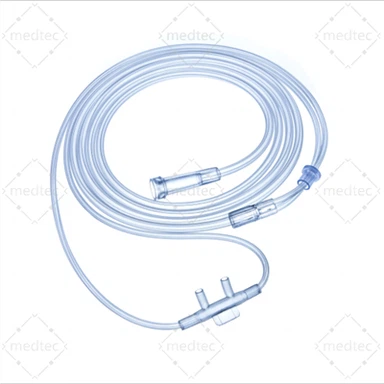
The Application Of Children's Nebulizer Inhalation In Children's Respiratory Diseases
Aug 21, 2020
The application of children's nebulizer inhalation in children's respiratory diseases
What is nebulized inhalation therapy
Nebulized inhalation therapy uses the principle of gas jets to suspend the tiny droplets impacted by water droplets in the gas to form an aerosol and enter the respiratory tract to perform respiratory tract humidification or drug inhalation as an aid and supplement for systemic therapy. Because the aerosol has a huge contact surface, it is conducive to the contact of the drug with the mucosal epithelial cells on the airway surface to exert its efficacy. Inhalation therapy is currently the preferred method of administration in the treatment of asthma.
Nebulizer inhalation therapy for children is an important treatment for respiratory diseases. Compared with oral, intramuscular injection and intravenous injection, it has many advantages: the drug directly acts on the target organ, has a rapid onset, good curative effect, few systemic adverse reactions, and does not require the patient's deliberate cooperation.
Common aerosol inhalation methods
1. Types of nebulized inhalers
2. How to use different atomizers
(1) Metered dose inhaler:
It is generally used for children who are 2 to 4 years old who breathe repeatedly for a long time and need to inhale. The advantage of this inhaler is that it is convenient to carry, and the problem can be solved by spraying it in the morning and evening. However, because children of this age group are relatively small and difficult to cooperate, we recommend that you generally add a mist storage tank when using this inhaler.
(2) Fog storage device
(3) Quasi-acceptor
3. Atomizing inhalation device commonly used in clinical practice
(1) Type:
There are three types of atomized inhalation devices commonly used in clinical practice: jet atomizers, ultrasonic atomizers, and vibrating mesh atomizers.
(2) Advantages and disadvantages:
It should be noted that: ultrasonic nebulization inhalation therapy is not suitable for asthma treatment.
Because: the mist particles cannot completely reach the top layer of the liquid surface where the mist particles can be formed; it will increase the airway resistance of asthma patients; affect the activity of some drugs; the drug mist is not sufficient and the number of effective mist particles is small.